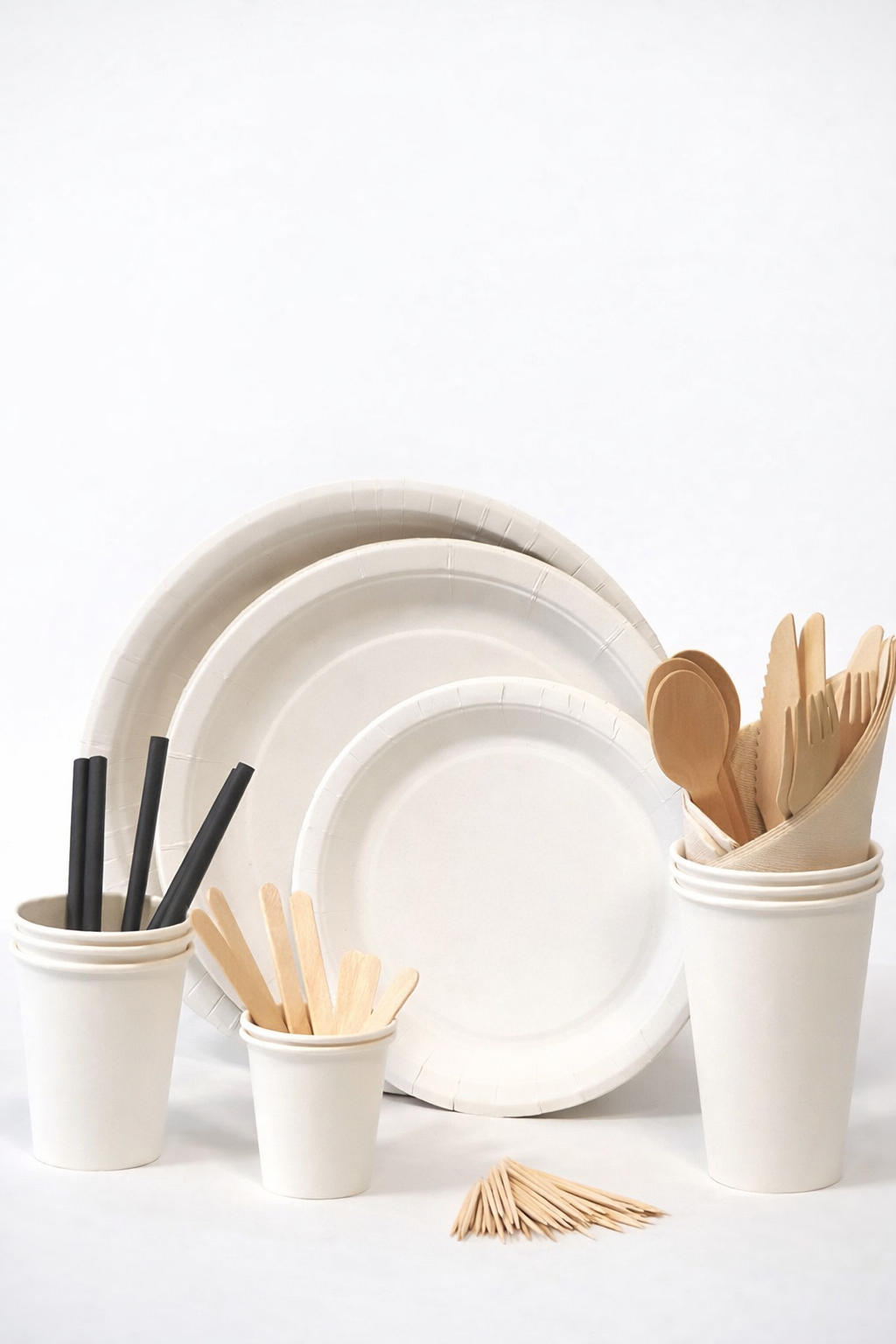
FAPILOR and the Challenges of Modernization: The Path to the Future
In the current economic climate, even the most deeply rooted traditions face the challenge of modernizing in order to remain relevant.
FAPILOR — Fábrica Paliteira de Lorvão, with more than four decades of activity — has sought this balance between tradition and evolution, focusing on efficiency, quality, and sustainability.
In recent years, FAPILOR has fought for job creation, which has been crucial not only to consolidate the company's position in the market, but also to enable operational improvements that respond to the needs of today's market.
Modernization is not only technical, but also environmental. Many traditional manufacturers, including those in the wood sector, have been adopting more sustainable practices—from the origin and certification of raw materials to waste reduction and energy efficiency in production lines. This approach strengthens FAPILOR's commitment to responsible practices that respect the local environment.
Companies such as FAPILOR are an example of how tradition can coexist with modernity, generating employment, boosting the regional economy, and preserving manufacturing practices that remain a valuable part of Portugal's industrial heritage.
Looking ahead, FAPILOR faces challenges such as expanding into new markets and responding to consumer expectations regarding customization and sustainability. However, these are also opportunities to strengthen a brand with almost 45 years of presence and trust in the sector.
The history of FAPILOR is one of adaptation, commitment to tradition, and vision for the future. By reconciling historical practices with contemporary demands, the company continues to assert itself as a benchmark in its sector and a symbol of Lorvão's economic and cultural identity.